Creating an efficient and comfortable home office is essential for anyone who works from home or manages personal projects. A clutter-free space not only helps you stay focused but also reduces stress and increases productivity. If you often find yourself overwhelmed by piles of papers, scattered supplies, or a disorganized desk, this post offers helpful tips to transform your workspace into an organized and inviting area.
Why a Clutter-Free Home Office Matters
A messy workspace can negatively affect your mood and concentration, making it harder to complete tasks efficiently. On the other hand, an organized and neat environment promotes mental clarity and creativity. When your home office is free of clutter, you spend less time searching for documents or supplies and more time focusing on your work goals.
Planning Your Space: The First Step to Organization
Before diving into decluttering, take a moment to evaluate your current setup.
– Assess your needs: Consider what tasks you do most often and what items you use daily.
– Measure your space: Knowing the dimensions helps you choose suitable furniture and storage options.
– Decide on zones: Divide your office into areas for different activities, like computer work, paperwork, and creative brainstorming.
Decluttering: Start Fresh
Removing unnecessary items is crucial for maintaining a tidy space.
Steps to Declutter Effectively
- **Set aside time:** Dedicate a couple of hours or a full day to focus solely on decluttering.
- **Sort items into categories:** Use boxes or bins labeled “Keep,” “Donate,” “Recycle,” and “Trash.”
- **Evaluate each item:** Be honest about what you truly need and use regularly.
- **Organize papers:** Digitize important documents and recycle or shred old papers.
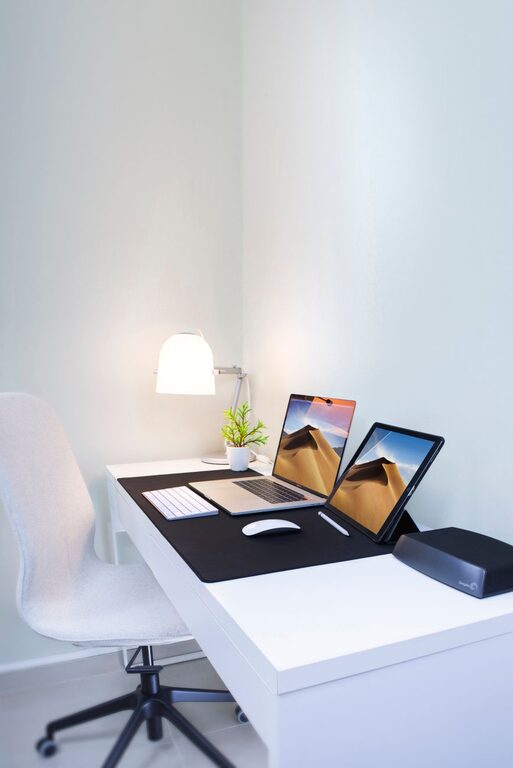
- **Clear your desk:** Keep only the essentials—computer, planner, a few pens.
Decluttering not only simplifies your workspace but also gives you a clearer idea of storage solutions you’ll need.
Choosing the Right Furniture and Storage
Selecting appropriate furniture and storage options can greatly impact the functionality and comfort of your home office.
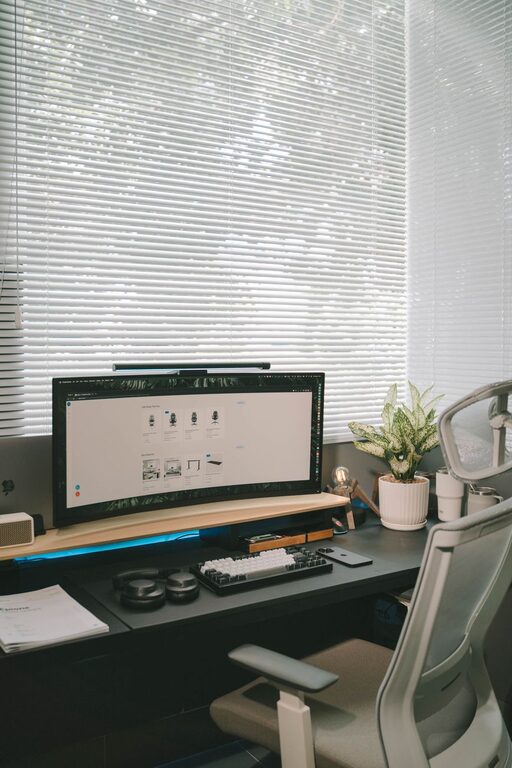
– Ergonomic chair: Invest in a chair that supports good posture.
– Desk with storage: Consider desks with built-in drawers or shelves to keep essentials within reach.
– Shelving units: Use vertical space with shelves for books, files, or decorative items.
– Storage boxes and organizers: Utilize labeled boxes, baskets, or drawer organizers to group similar items.
Remember, keeping frequently used items easily accessible will save time and minimize distractions.
Implementing Smart Organizational Systems
Maintaining order requires systems that are easy to follow.
File Management
– Use color-coded folders for different projects or document types.
– Label all files clearly.
– Regularly review and archive older files digitally or in storage boxes.
Supply Storage
– Store office supplies like pens, paper, and staplers in designated containers.
– Limit supplies to what you actually use to avoid overcrowding drawers.
Cable Management
– Use cable clips or sleeves to prevent cords from tangling.
– Label chargers and cables to easily identify devices.
Personalizing Without Adding Clutter
A comfortable home office reflects your personality but avoid overdecorating.
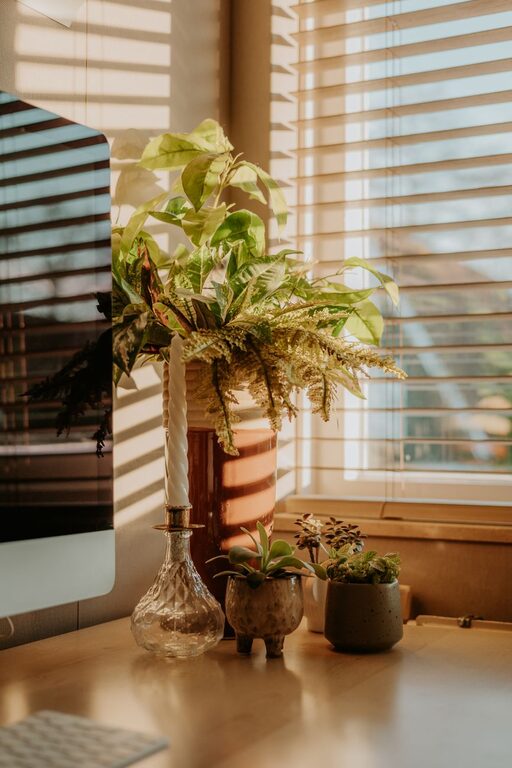
– Choose a few meaningful decorations such as a plant, a photo frame, or artwork.
– Opt for desk accessories that are both attractive and functional.
– Keep personal items minimal to maintain a clean look.
Daily Habits to Maintain a Clutter-Free Office
Organization doesn’t stop once you’ve set up your office. Daily habits help keep your space tidy.
– End-of-day clean up: Spend 5–10 minutes tidying your desk before finishing work.
– Put things back in place: Develop the habit of returning items to their assigned spots immediately after use.
– Review your space weekly: Take time to clear out unnecessary items and make adjustments as needed.
Boosting Comfort in Your Home Office
Comfort is key to staying productive during long hours.
– Adjust lighting: Use natural light when possible and add desk lamps to reduce eye strain.
– Control temperature: Keep your workspace at a comfortable temperature.
– Add cushioning: Consider a footrest or cushioned wrist supports.
– Take breaks: Incorporate short breaks to move around and rest your eyes.
Final Thoughts
Organizing a clutter-free home office may take some effort initially, but the benefits are well worth it. By setting up a space that suits your work style, maintaining effective organizational systems, and incorporating comfort features, you can create an environment that encourages productivity and well-being every day.
Remember, the goal is to make your home office work for you—clean, calm, and comfortable. Start small, stay consistent, and enjoy the positive impact on your daily workflow.