Creating a productive home office environment is essential for anyone working remotely or managing tasks from home. A well-organized, comfortable workspace not only helps you stay focused but also improves your overall work experience. Whether you have a dedicated room or a small corner in your living space, there are many ways to optimize your home office. In this post, we’ll share practical tips to help you create an environment that encourages productivity and well-being.
Choose the Right Location
The first step to a productive home office is selecting the best spot for your workspace.
– Quiet and Low-Traffic Area: Choose a place with minimal distractions, preferably away from high-traffic zones like the kitchen or living room.
– Natural Light: Position your desk near a window to benefit from natural light. It can boost your mood and reduce eye strain.
– Adequate Space: Ensure your chosen space can fit your desk, chair, and any other equipment comfortably without clutter.
Invest in Ergonomic Furniture
Comfort plays a big role in productivity. Poor posture can lead to discomfort, fatigue, and even long-term health issues.
– Ergonomic Chair: Choose a chair that supports your lower back, encourages good posture, and has adjustable height and armrests.
– Proper Desk Height: Your desk should allow your elbows to rest at about a 90-degree angle when typing.
– Monitor Positioning: Position your computer monitor at eye level, about an arm’s length away, to avoid neck strain.
– Footrest: If your feet don’t rest flat on the floor, consider using a footrest to maintain proper alignment.
Declutter and Organize Your Space
A tidy workspace helps clear your mind and reduces distractions.
– Use Storage Solutions: Invest in shelves, drawers, or filing cabinets to keep papers and supplies organized.
– Keep Essentials Handy: Store frequently used items within arm’s reach to avoid interrupting your workflow.
– Cable Management: Use cable organisers or clips to avoid tangled wires and create a clean surface.
– Daily Clean-up: Spend a few minutes at the end of each day tidying up your desk.
Optimize Lighting
Good lighting is essential for comfort and focus.
– Mix Natural and Artificial Light: Combining both prevents eye strain and keeps the space inviting.
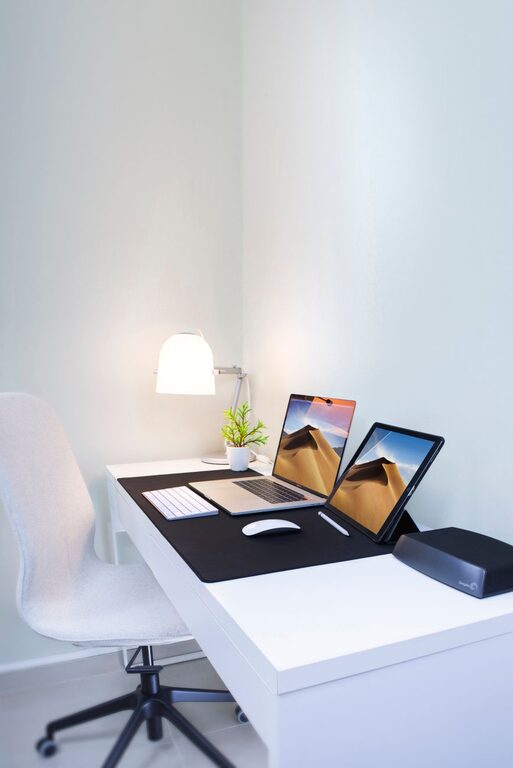
– Task Lighting: Use a desk lamp with adjustable brightness for focused work.
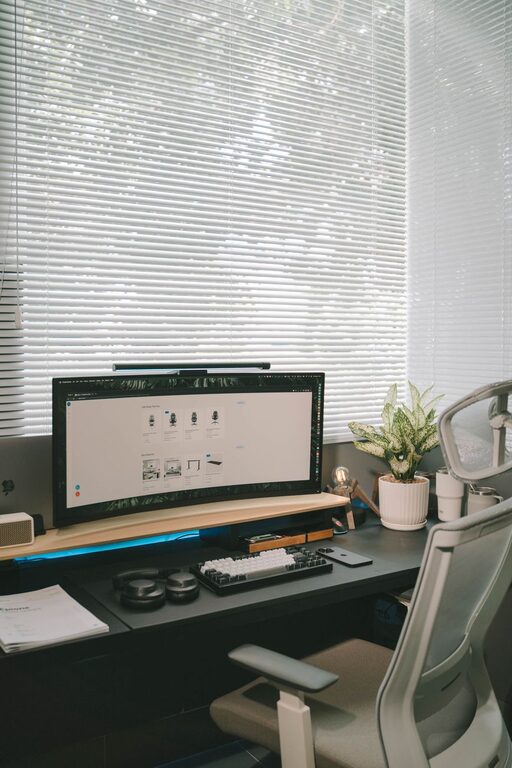
– Avoid Glare: Position screens perpendicular to windows and use blinds or curtains to manage direct sunlight.
Set Clear Boundaries
Separating work from personal life helps maintain focus and balance.
– Define Work Hours: Stick to a schedule to avoid burnout and ensure you have downtime.
– Create Physical Separation: If possible, use a room divider or simply close the door to signal “work mode.”
– Communicate with Others: Let family or housemates know your work schedule to minimize interruptions.
Personalize Your Workspace
Adding personal touches creates a welcoming and motivating atmosphere.
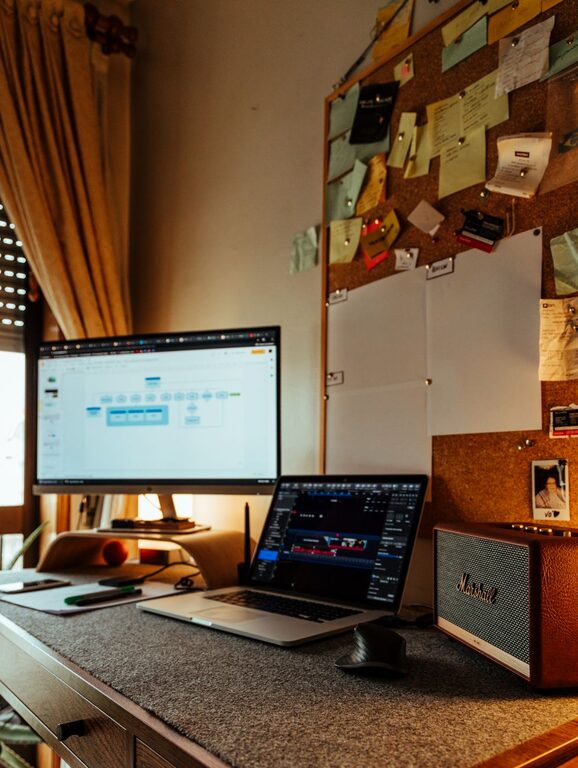
– Decorate Thoughtfully: Use plants, artwork, or photos to make the space pleasant.
– Use Colors That Inspire: Choose colors that help you feel calm or energized depending on your preferences.
– Keep a Water Bottle Nearby: Staying hydrated is a simple way to maintain focus and health.
Utilize Technology and Tools
Work smarter with the right tools and technology.
– Reliable Internet: A strong internet connection is key for video calls and online research.
– Noise-Canceling Headphones: These help reduce distractions and improve concentration.
– Productivity Apps: Use apps or software for task management, time tracking, and note-taking.
– Dual Monitors: If your work requires it, using two screens can increase efficiency.
Encourage Movement and Breaks
Sitting for long periods can negatively impact health and productivity.
– Take Regular Breaks: Follow the Pomodoro technique or simply stand up every 30-60 minutes.
– Stretch and Move: Incorporate stretches or short walks during breaks to reduce stiffness.
– Consider a Standing Desk: Alternating between sitting and standing can improve comfort and alertness.
Maintain Good Air Quality and Temperature
The environment’s quality affects your ability to focus.
– Ventilate Regularly: Open windows or use air purifiers to keep the air fresh.
– Control Temperature: Keep the room at a comfortable temperature, typically between 68-72°F (20-22°C).
– Add Plants: Certain indoor plants can improve air quality and add natural beauty.
Plan Your Workflow
A productive home office isn’t just about the physical space; it’s about how you work.
– Create a To-Do List: Start each day by listing tasks to stay organized.
– Prioritize Tasks: Focus on high-priority activities during your peak energy times.
– Set Goals: Clear objectives help you track progress and stay motivated.
—
By implementing these tips, you can design a home office environment that supports your productivity, comfort, and work-life balance. Remember, your space should reflect your individual needs and preferences, so feel free to experiment and adjust as you find what works best for you. Happy working from home!